
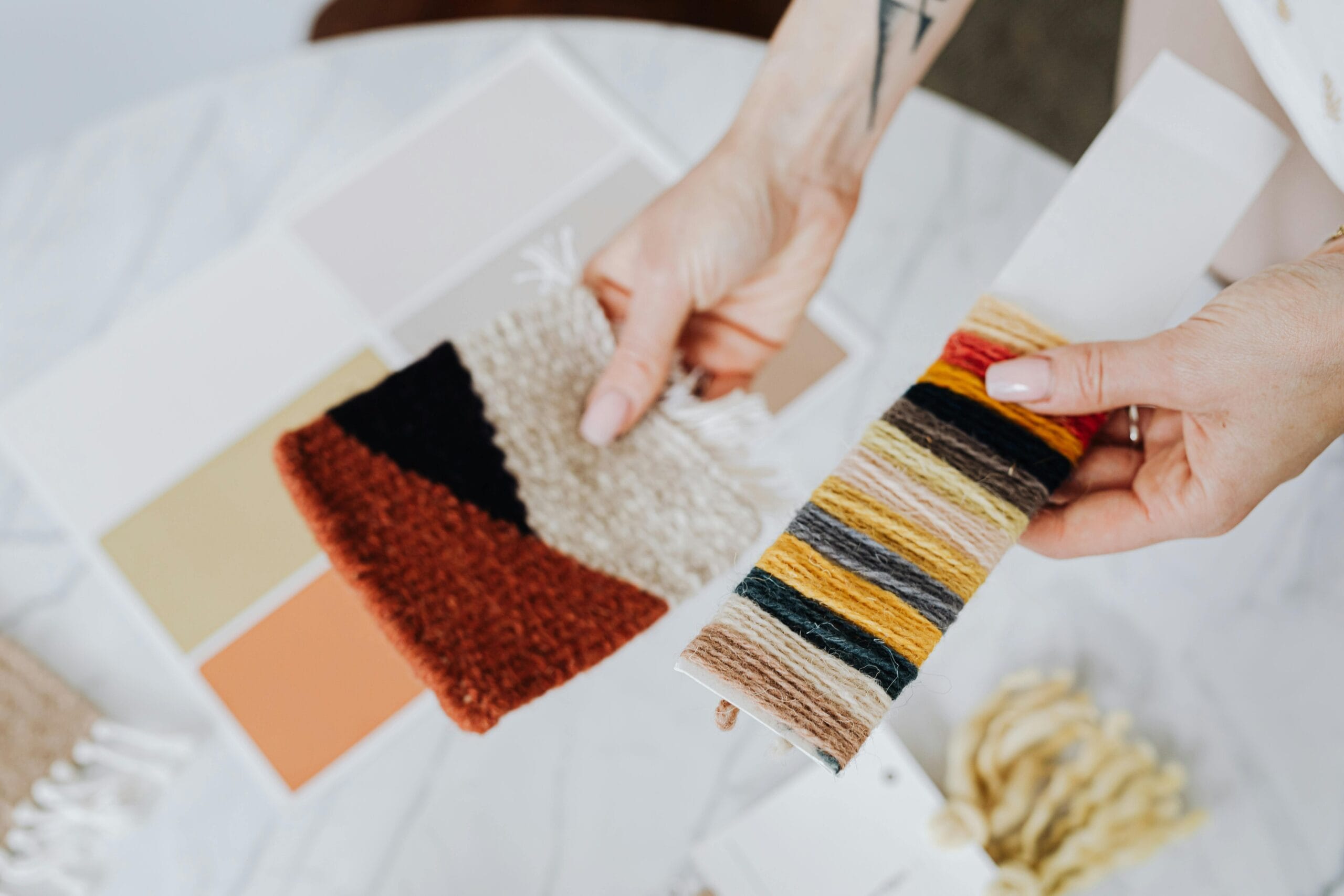
Expert Styling Tips
Putting together the perfect outfit isn’t just about the fabric or style—it’s about how well your colors play together. You don’t need a fashion degree to get it right. With a little knowledge and a whole lot of fun, you can mix and match fabric colors like a pro.
Whether you’re styling Celebration/Aso-Ebi, kaftans, or everyday wear, color coordination can make or break your look. Let’s walk through expert yet simple tips to help you pair your colors with confidence and creativity.
Start with a Base Color You Love
Every great outfit begins with one strong color. Think of it like your foundation. Whether it’s navy blue, burgundy, white, or black, choose a color you love and feel comfortable in.
If you’re wearing a full outfit in one fabric, like a kaftan or dress, your base color will take center stage. But if you’re mixing separates or adding layers, that base color will guide your supporting tones.
Neutrals like white, beige, cream, and grey work well with almost every color. So, if you’re unsure, start with one of these, then build your outfit around it. They let bold colors shine without fighting for attention.
Use the 60-30-10 Rule for Color Balance
This simple fashion rule helps keep your outfit well-balanced and pleasing to the eye. Here’s how it works:
- 60% is your dominant color (main outfit or fabric)
- 30% is your secondary color (accessories or layering pieces)
- 10% is your pop color (bold earrings, gele, shoes, etc.)
For example, you can wear a burnt orange lace dress (60%), layer it with a gold wrapper or shawl (30%), and finish with emerald green accessories (10%).
This rule helps you play with color while still looking coordinated. It’s great for Celebration/Aso-Ebi, where multiple colors often come into play.

Complement or Contrast – Both Work if You Know How
Complementary colors sit opposite each other on the color wheel—like blue and orange, or purple and yellow. When used well, they create a vibrant and eye-catching outfit.
For example, pair a royal blue Swiss cotton top with an orange brocade skirt. It’s bold, festive, and great for traditional events. Just make sure one color is more dominant so your outfit doesn’t feel too loud.
On the flip side, analogous colors sit side by side on the wheel—like green, teal, and blue. These create a soft, harmonious blend that looks effortlessly stylish. Perfect for when you want your outfit to feel classy, not flashy.
Neutral tones like black, cream, and grey are your best friends when you need to calm down a bright or clashing mix. They help reset the look and make it more wearable for everyday settings.
Play with Texture, Print, and Fabric Weight Too
Color isn’t just about shade—it also comes to life through the texture and fabric you choose. A gold satin wrapper might look different than a gold brocade, even though it’s the same color.
So when mixing colors, try mixing textures too. You can pair a soft silk blouse with a textured lace wrapper, or a matte cotton top with shiny velvet trousers.
Also, consider fabric weight. A light chiffon in a bold color feels softer than a thick wool in the same shade. Keep this in mind so your color choices match the occasion and vibe you’re going for.
Have Fun with Accessories and Finishing Touches
Sometimes, all you need to bring your colors together is the right cap, gele, bag, or necklace. Accessories can either match or contrast your outfit.
If your clothes are neutral, go wild with colorful accents. But if your outfit already has bold colors, go for metallics or muted tones to avoid going overboard.
Gold accessories work well with warm tones like red, orange, or brown, while silver looks better with cool colors like blue, grey, or green.
Shoes, belts, and headpieces can also tie your look together. Think of them as the final touch that says, “Yes, I meant to look this good.”
Conclsion: Style Is About Confidence and Color Harmony
At the end of the day, color styling is part science, part art, and part fun. There are no strict rules—only smart tips to help you avoid common mistakes.
Whether you love bold contrast or soft blends, what matters most is that you feel confident and comfortable in what you’re wearing. Experiment with fabrics, try new color combos, and most importantly, enjoy the process.
So next time you’re shopping at SaibFabrics.com, try mixing colors outside your comfort zone. You might just create your next favorite look!